
Services
Our Solar Power System Solutions
Building-integrated Photovoltaic
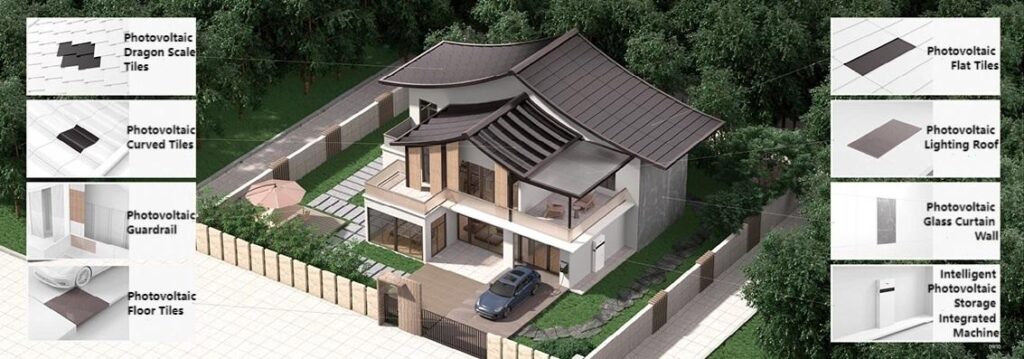
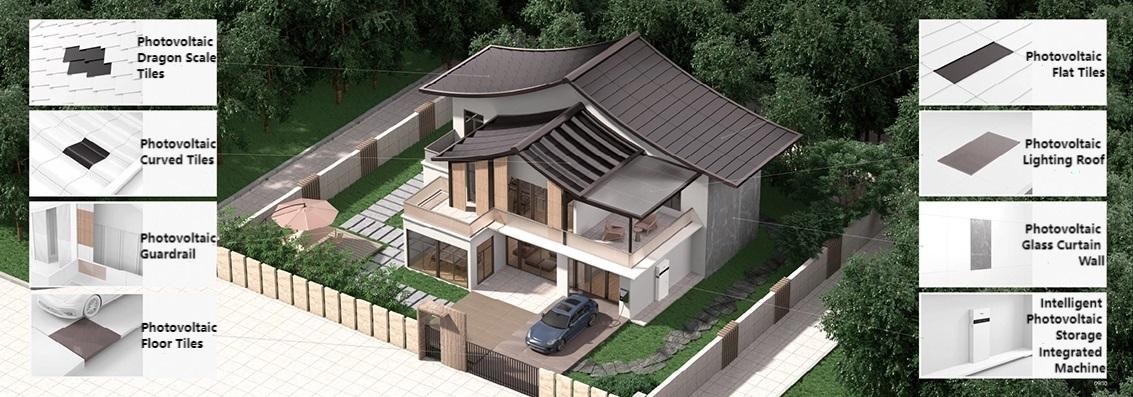
Building-integrated photovoltaic is a technical form that integrates solar photovoltaic modules with building envelopes (such as roofs, curtain walls, and awnings) for design, construction, and use, and the modules undertake both power generation and building functions (enclosure, lighting, decoration, etc.).
Building-integrated photovoltaic is a technical form that integrates solar photovoltaic modules with building envelopes (such as roofs, curtain walls, and awnings) for design, construction, and use, and the modules undertake both power generation and building functions (enclosure, lighting, decoration, etc.).
Key Advantage
Combines power generation and building functions: photovoltaic modules replace traditional building materials (such as tiles, glass curtain walls) without occupying additional land or space.
Integrated design and construction: the photovoltaic system is integrated from the architectural design stage, and the appearance is coordinated to avoid the abruptness of later installation.
Green and energy-saving attributes: Spontaneous self-consumption reduces building energy consumption, reduces carbon emissions, and meets green building standards.


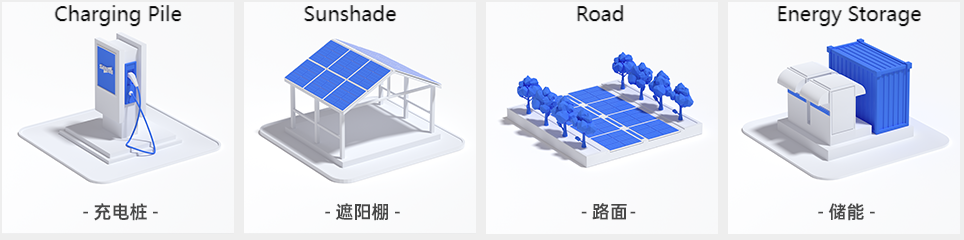
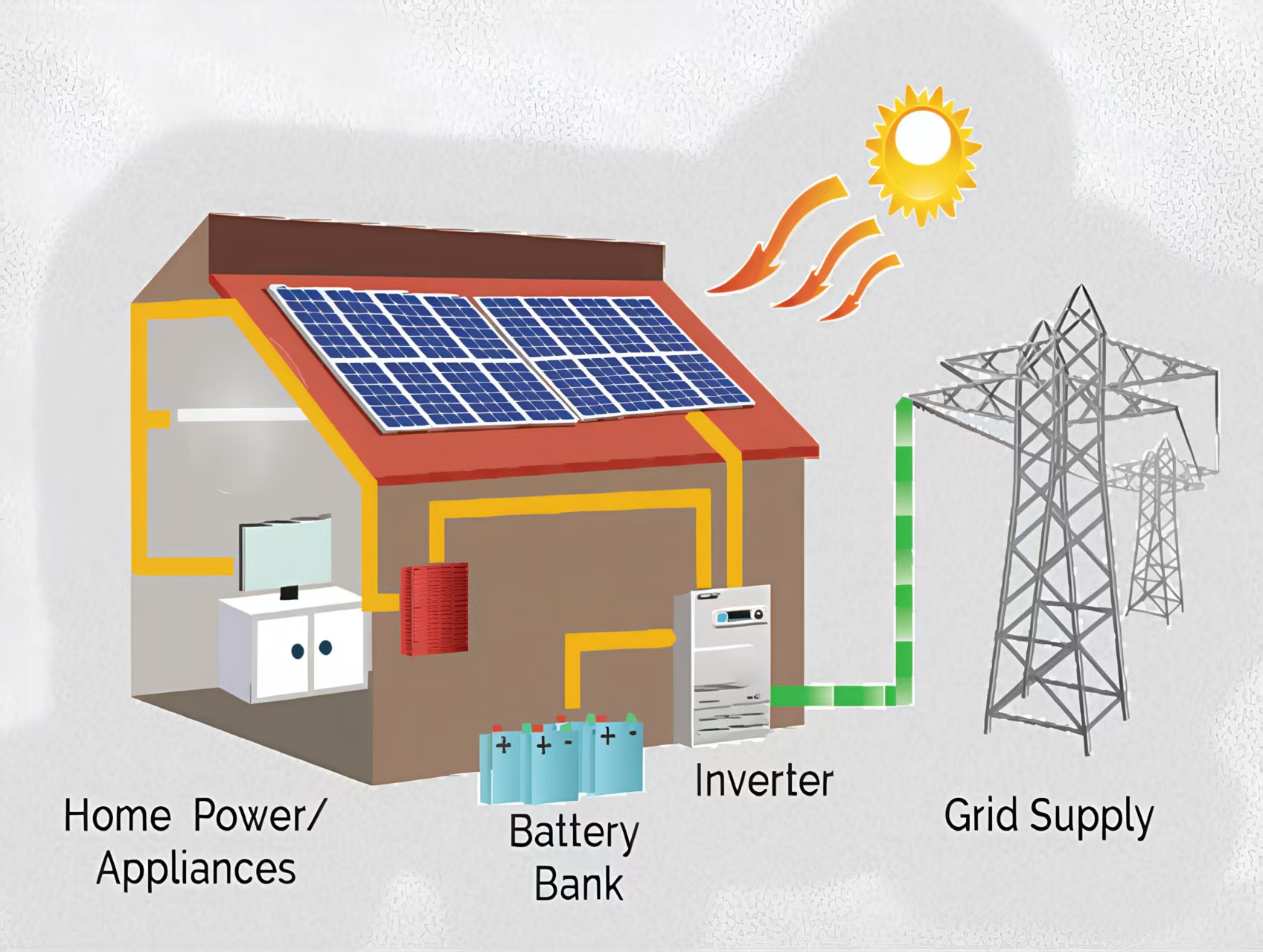
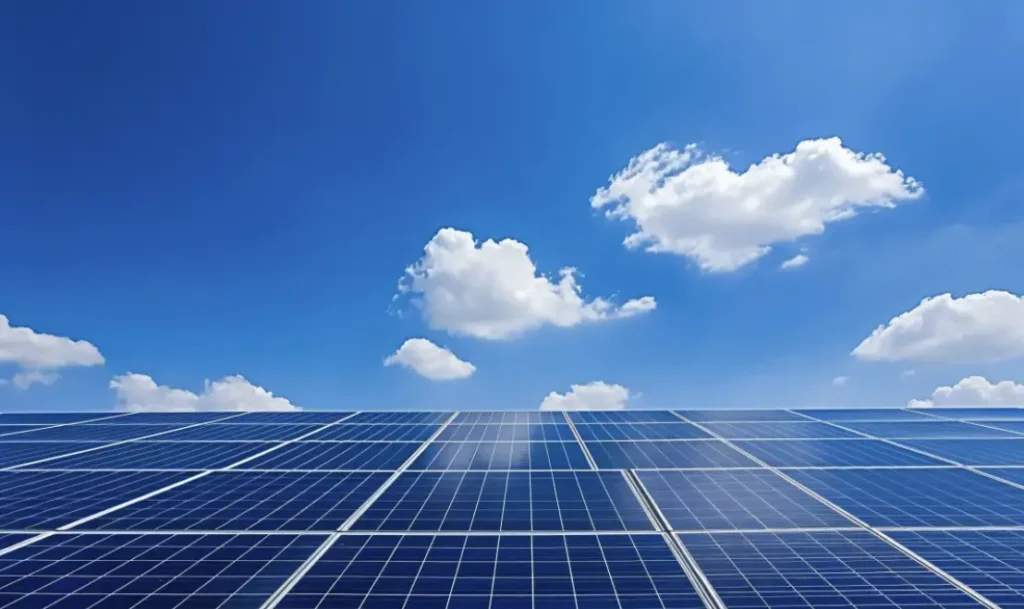
Solar Energy Supply Solution
Key Advantage
Customization: First, assess lighting conditions and electrical load. Then, design the system scale to meet actual needs, avoiding waste or insufficient power supply.
Hassle-free and efficient: Covering the entire process of services, users do not need to interface with multiple suppliers, saving time and effort..
Stable and reliable: The equipment is professionally matched and has strong compatibility, and includes after-sales operation and maintenance, ensuring long-term stable power generation.
High cost-effectiveness: Recommend configurations based on budget and revenue goals, calculate the return period, and balance cost and practicality.
Solar Energy Storage Solution
Key Advantage
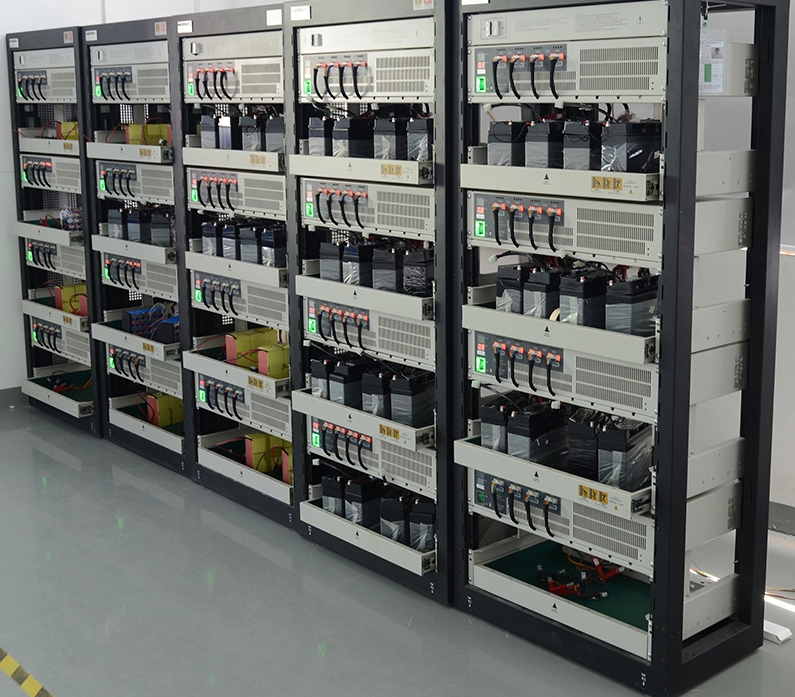
Balance supply and demand: Store excess electricity from solar panels during the day and release it at night or on cloudy days to avoid waste of electricity and ensure uninterrupted power supply.
Cost savings: It allows for "peak-valley arbitrage", storing electricity during off-peak periods and consuming it during peak periods, thereby reducing consumption of high-priced grid electricity. It also prevents revenue losses caused by "curtailment".
Ensuring safety: In the event of a power grid outage, the system can switch to backup power to supply power to critical equipment such as refrigerators and lighting; it can also stabilize voltage to prevent home appliances from being damaged due to grid fluctuations.
Facilitating low-carbon development: "Smoothing" solar power fluctuations, promoting the integration of more clean energy into the power grid, reducing dependence on fossil fuels, and lowering carbon emissions.
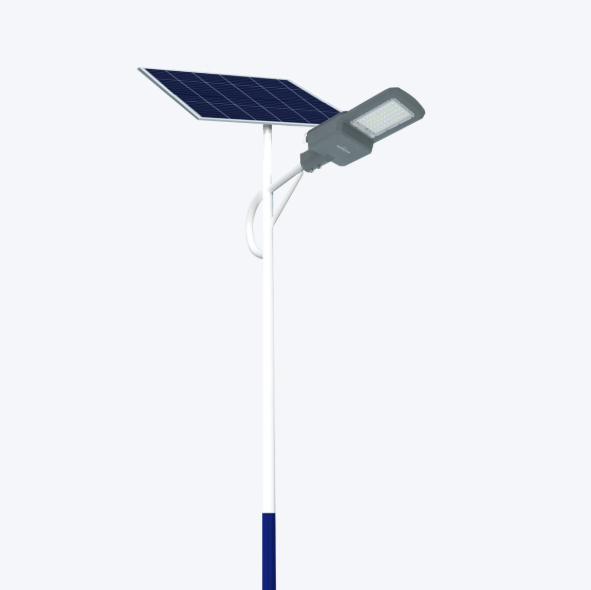
Solar Light Solution
Key Advantages
Grid-free: Equipped with solar panels and batteries, no wiring required, suitable for remote areas and outdoor areas, flexible installation.
Long-term cost savings: By relying on solar power generation, there is no electricity bill. Although there is an initial equipment cost, it can be recouped within 3-5 years, after which the system can be used for free.
Low maintenance: simple structure, low failure rate, solar panels and batteries with a lifespan of 5-10 years, and occasional cleaning is all that's needed for daily maintenance.
Smart Environmental Protection: Power generation without pollution, equipped with light control/time control functions, automatically charging during the day and lighting up at night, requiring no manual operation.
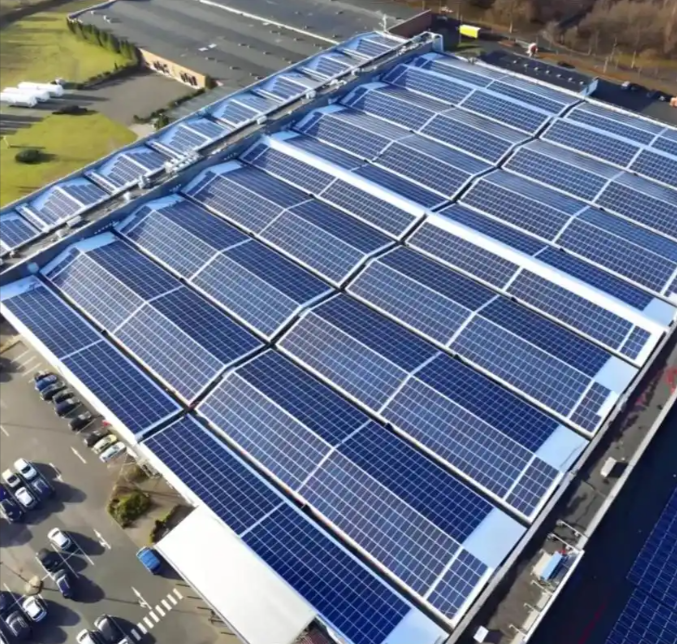
Industrial and Commercial Solar Power Solutions
Key Advantages
Cost reduction and income increase: Self-generation and self-consumption cover 30%-80% of electricity consumption, reducing electricity bills; excess power is sold to the grid, with a payback period of 5-8 years.
Stable supply guarantee: Energy storage can serve as a backup power source to avoid production disruptions caused by power outages; it can also help stabilize peak electricity usage and avoid fines imposed by the power grid.
Environmental compliance: Zero carbon emissions help enterprises achieve carbon neutrality and enhance their brand image; they can enjoy subsidies, tax relief, and other policies.
Activate resources: Install equipment in idle spaces such as factory roofs and open areas, without occupying production land, to achieve spatial value-added.
Building-integrated Photovoltaic
Key Advantages
Combines power generation and building functions: photovoltaic modules replace traditional building materials (such as tiles, glass curtain walls) without occupying additional land or space.
Integrated design and construction: the photovoltaic system is integrated from the architectural design stage, and the appearance is coordinated to avoid the abruptness of later installation.
Green and energy-saving attributes: Spontaneous self-consumption reduces building energy consumption, reduces carbon emissions, and meets green building standards.
3-Step Process
Our Process, Made Simple
We believe great system starts with great communication. That’s why our process is built around transparency, trust, and timely execution — so you always know what to expect.